It is important to check children's eyes when they are born and again during infancy, preschool and school years. When a child is born, an eye exam is done to identify any congenital anomalies, or if the eye structures are normal and well developed. For the case of preterm babies ROP screening (ROP= Retinopathy of Prematurity) is highly recommended and mandatory in some settings. As the baby grows, you should notice the change in the use of eyes, for example, is the baby able to look in the direction of sound or to follow an object? This milestone usually happens at around 2 to 3 months of life. And later on, is the child able to move the head to look at a target object? During infancy it is imported to observe the coordination of the eyes as the child is looking at objects. For example, are there any eye turns, commonly known as squint? Do the eyes move together towards the same direction?
Before preschool, a child's vision should be assessed to ascertain any abnormal refractive errors. Children below the age of 8 years are usually longsighted, a condition that is expected to resolve in a process called emmetropization. Any child who is shortsighted or with astigmatism in this age bracket or who has significantly high long-sightedness (hyperopia) will be managed accordingly. After the age of eight, the child is examined to find out if there is any residual hyperopia or any other refractive error that may need to be monitored or managed accordingly.
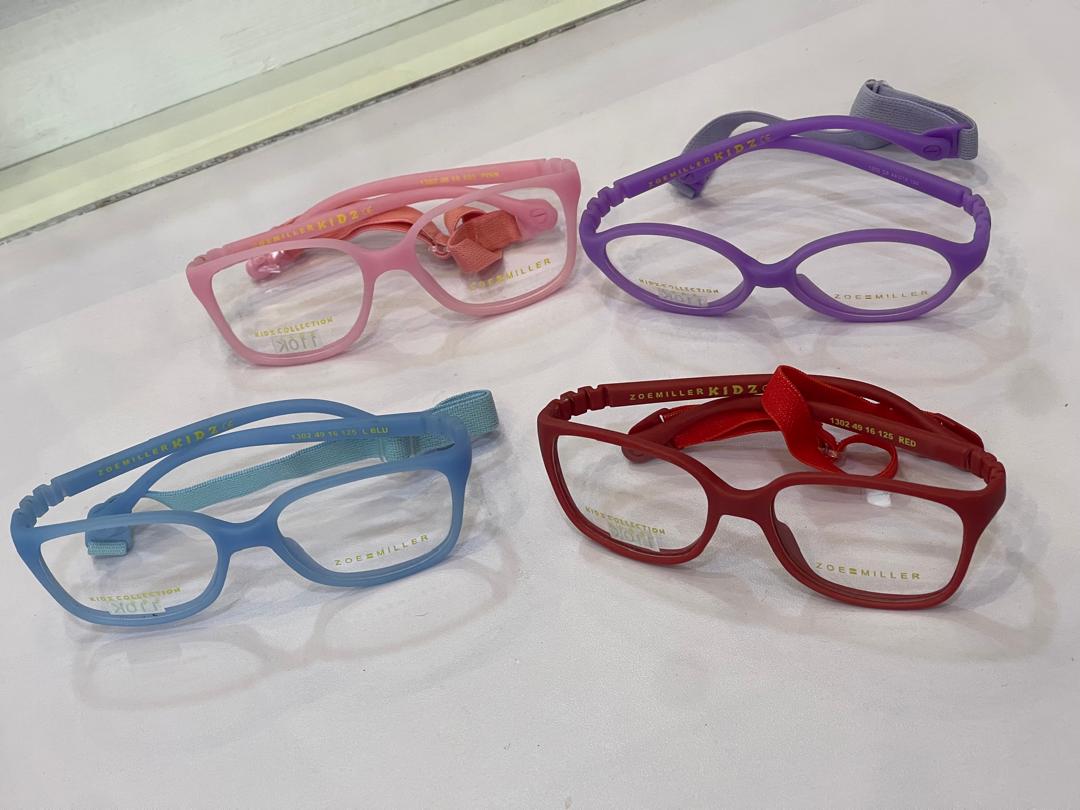
Whether it is a squint, nystagmus (dancing eye), or poor vision due to refractive error, the child is most likely to be prescribed for glasses. The practitioner will put an eye drop in the eyes of the child in order to break the accommodation of the child's eyes and then perform refraction (cycloplegic refraction) to obtain the spectacle prescription. If the child is issued with spectacles please as a parent do not resist. It is essential for the child's vision and to prevent complications that may result from uncorrected refractive errors such as amblyopia (lazy eye) or even vision impairment. Always go for reviews as scheduled by and with the practitioner. Even when vision and eye structures are normal, always take the child for eye examinations at least once every year.
See Better Live Better